The Hierophant & The World
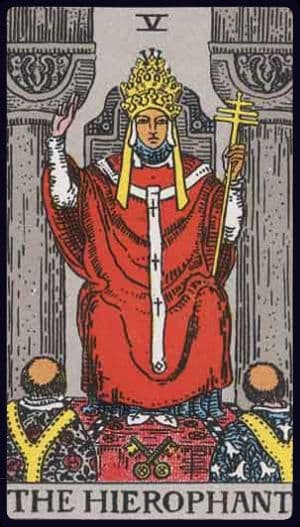
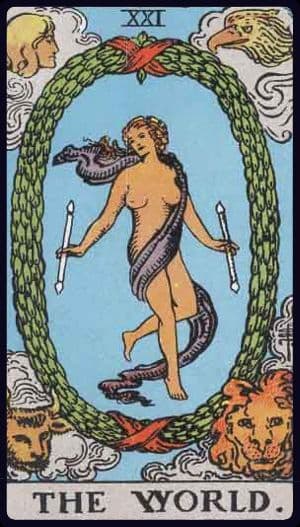
What The Hierophant and The World Mean Together
A framework can become second nature in the best sense when it has truly been integrated. The Hierophant offers teachings, rituals, and social forms that shape meaning; The World signals completion, coherence, and the sense that a cycle has matured into something whole. Together, they often reflect mastery within a tradition, the completion of a formal path, or the relief of finding a value system that no longer feels borrowed. At the same time, this pair can ask whether the structure has genuinely become yours or simply become comfortable.
What This Pair Reflects
You may be nearing the end of a long process of learning, belonging, or stabilizing your identity within a larger system. This combination invites you to notice whether what feels complete is truly integrated or merely familiar from repetition.
Begin your practice
Your readings, notes, and questions in one private place.
Start a readingIn Different Situations
Relationships
A relationship can reach a point where its commitments feel lived rather than merely promised. With The Hierophant and The World together, the habits, values and shared ways of doing things have had time to become a whole life, or at least a recognizable chapter of one. That may bring pride and belonging. It can also raise a quiet question: does this form of commitment still feel chosen, or has it become familiar enough to stop examining? Completion here need not mean a relationship ends. It can mean seeing clearly what the two of you have built.
Career
Finishing a long course of work can feel surprisingly different from receiving the certificate or title that marks it. The Hierophant holds the training, standards and people who taught you; The World asks whether that learning has become something you can carry independently. This pairing often suits completing an apprenticeship, qualification or established career phase, but the achievement need not be formal.
You may have outgrown the need for constant confirmation that you belong. A finished chapter can be satisfying without requiring you to remain inside the same structure forever.
Decisions
Sometimes the difficult choice is recognizing that you have completed what you once committed to. The Hierophant stands for the path you followed and the values or standards that gave it meaning; The World shows what has been learned, finished or brought into a coherent whole.
The next decision may involve staying within that structure by choice, or leaving it without dismissing what it gave you. This is not an automatic sign to move on. It invites a distinction between true completion and the pressure to keep going because you have already invested so much.
Burnout
When you're used to being the person who keeps going, finishing can feel strangely out of reach. The Hierophant reflects the standards you've learned to meet; The World asks what it would mean to recognize that a cycle of effort has actually come far enough. You may have absorbed the lesson and still be repeating the work as though you must earn your place again each day. Burnout can sharpen that contradiction. A task may be finished, a responsibility may continue, and your worth does not have to be measured by how endlessly you can sustain it.
Feeling Stuck
Sometimes nothing moves because you are still performing a lesson you've already learned. The Hierophant gives that lesson a form: a path, a practice, an idea of what it means to belong. The World holds the quieter possibility that it has become part of you and no longer needs constant rehearsal. Stuckness may feel like unfinished business even when something important is complete. There is no requirement to abandon the structure that helped you grow. But remaining a student forever is different from carrying what you've learned into a wider life.
New Beginnings
You may be starting again with more already inside you than you realize. The World marks a completed stretch of experience; The Hierophant holds the values and practices gathered along the way. A new chapter needn't require you to discard the old one or prove that it was all worthwhile. What you've learned can travel with you, even if the place where you learned it no longer fits. This threshold has a mature quality: an opening that grows out of something integrated, while leaving plenty you don't yet know how to do.
Grief and Loss
Loss can mark the end of a whole pattern of life, including the small habits that once made belonging feel ordinary. The Hierophant holds those shared forms; The World acknowledges a chapter that was real and has reached a boundary. That is different from declaring your grief finished. You may carry its customs, memories or values forward without being able to return to the life that gave them shape. Completion here belongs to the chapter, not to your feelings about it. What mattered can remain part of you without needing to become a neat closing story.
Reversed Variations
Both reversed
The framework remains, but completion does not fully land. You may keep following the path while sensing unresolved questions, loose ends, or a lack of real internal closure.
The Hierophant reversed
The Hierophant reversed loosens the shared structure around the completion. The cycle may still be ending, but your relationship to the tradition becomes less settled or more independent.
The World reversed
The World reversed keeps the process from feeling finished. The teachings may be sound, yet something remains unintegrated, unfinished, or only partially embodied.