Blog
Guides, reflections, and insights on tarot practice.

How to End a Tarot Reading Without Forcing Closure
A tarot reading can be finished even when the situation is not. Use a practical stopping method to name what you learned, what remains open, and when to return.
Read article →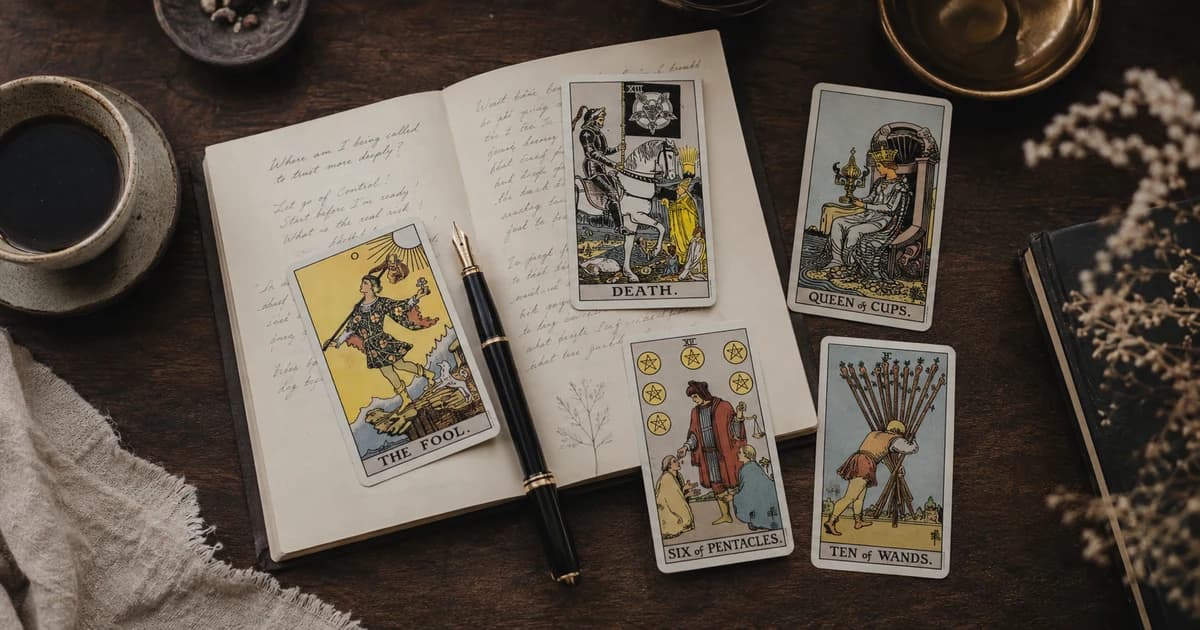
How to Read a Tarot Card When Its Usual Meaning Does Not Fit the Question
When a tarot card's familiar meaning does not fit, use the question, position, imagery, and a fit test to build a grounded interpretation without forcing it.
Read article →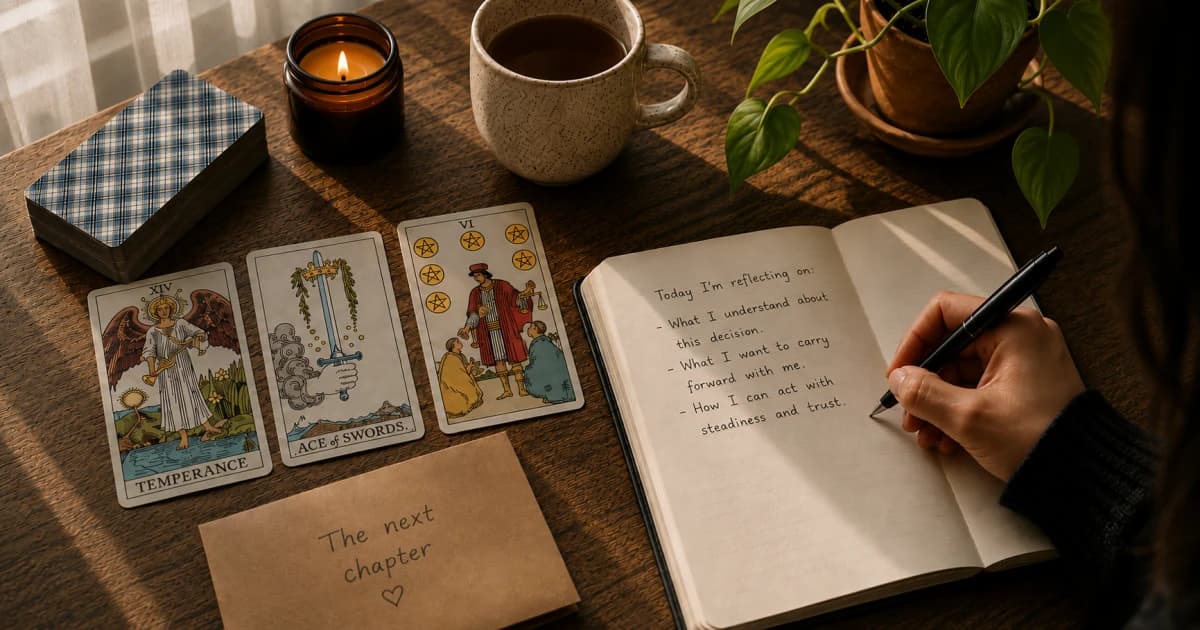
What to Ask Tarot After You Have Already Made the Decision
After the choice is made, use tarot to examine tradeoffs, implementation, uncertainty, and what has genuinely changed—without turning every reading into another vote on the decision.
Read article →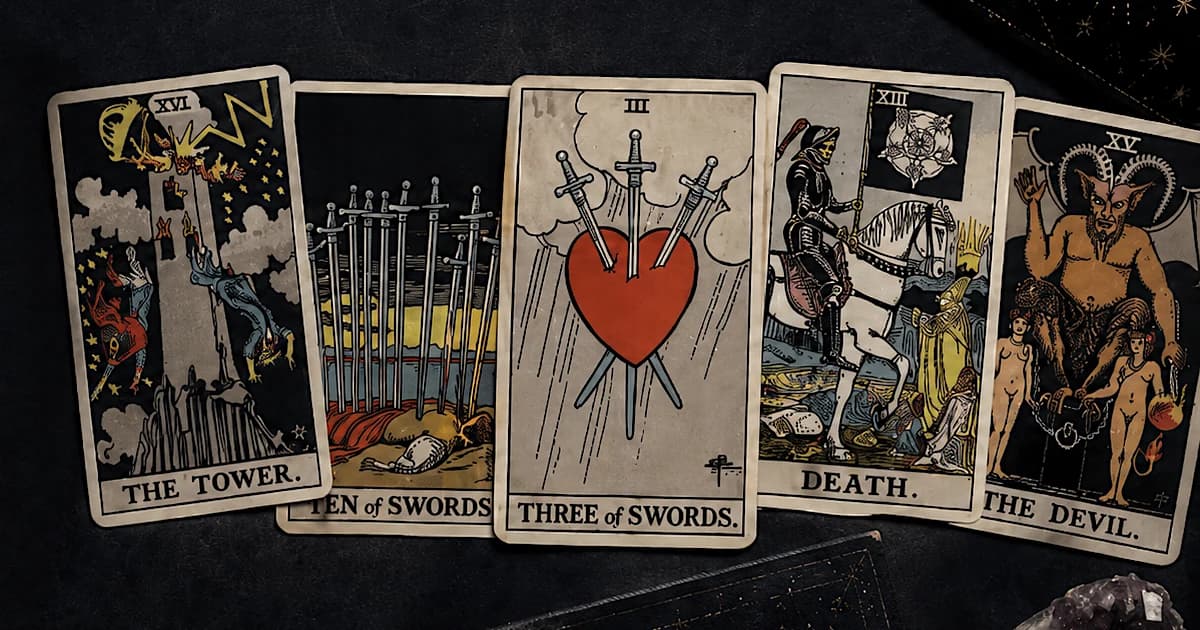
How to Read Difficult Tarot Cards Without Turning Them Into Bad News
Difficult tarot cards can stay difficult without becoming predictions. Use question, position, scale, context, and known facts to read them with proportion.
Read article →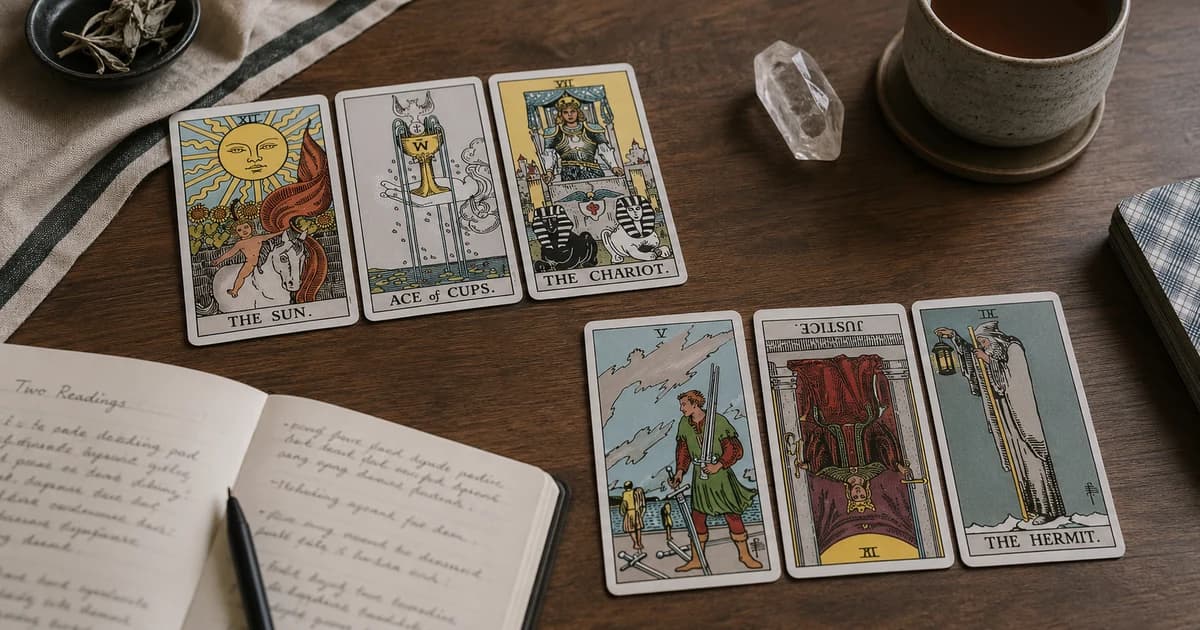
When Two Tarot Readings Seem to Disagree
When two tarot readings seem to disagree, compare the question, context, spread roles, cards, and your notes before deciding one was wrong.
Read article →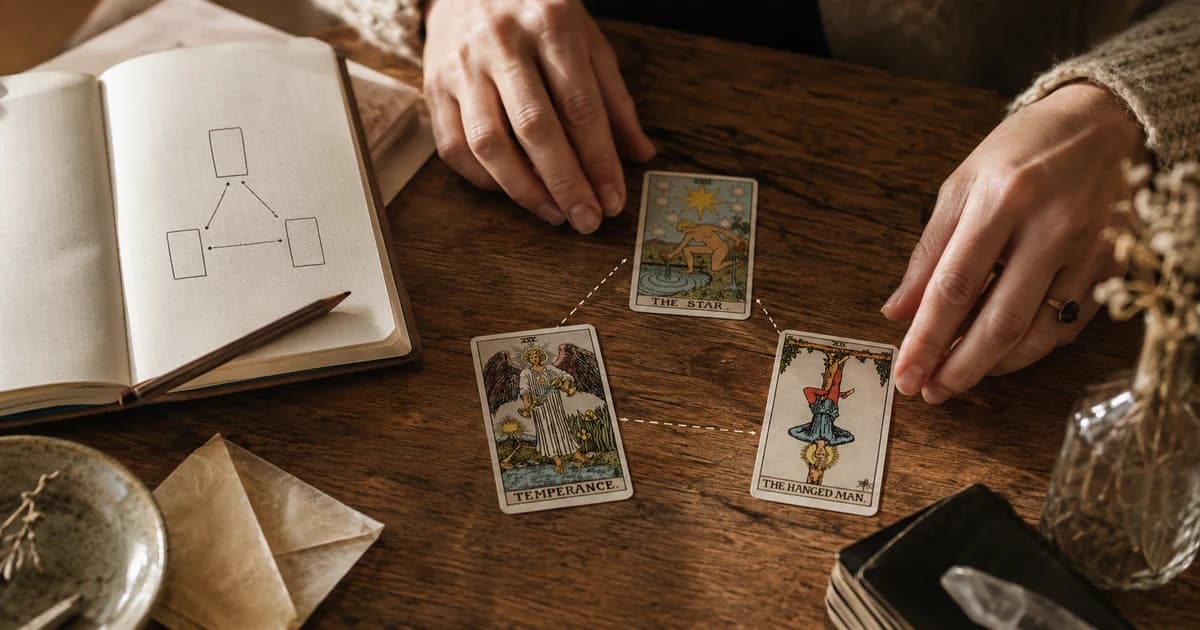
How to Read a Three-Card Spread as One Reading, Not Three Separate Meanings
A practical five-pass method for turning three card meanings into one coherent tarot reading through position, relationship, shape, and synthesis.
Read article →